Smart Strategies for a Healthier Home Environment
Creating a comfortable home means more than decorating and cleaning. Hidden pests can quietly damage structures, contaminate food, and introduce health risks. Long-term protection comes from understanding how pests behave and applying smart prevention methods that address both rodents and insects together.
Understanding Household Pest Challenges
Many homeowners first notice problems through small signs like droppings, chewed packaging, or unexplained noises at night. These clues often point to larger infestations. Effective rodent control becomes essential when mice or rats begin nesting in walls or attics, because they reproduce rapidly and adapt easily to indoor spaces.
At the same time, crawling and flying pests thrive in kitchens, bathrooms, and basements. Ants follow scent trails, cockroaches seek moisture, and mosquitoes breed in standing water. This is where insect control plays a vital role in keeping populations from spreading and becoming harder to manage.
Why Prevention Always Comes First
Sealing gaps around doors, repairing screens, and storing food in airtight containers can dramatically reduce pest attraction. Proper sanitation removes the crumbs and spills that invite invaders. While treatments help, daily habits are the foundation of lasting rodent control, especially in urban or suburban areas where wildlife lives close to people.
Routine inspections also support insect control by catching early warning signs such as egg cases, shed skins, or small nests. Addressing these indicators quickly prevents minor issues from turning into costly repairs.
Integrated Approaches That Actually Work
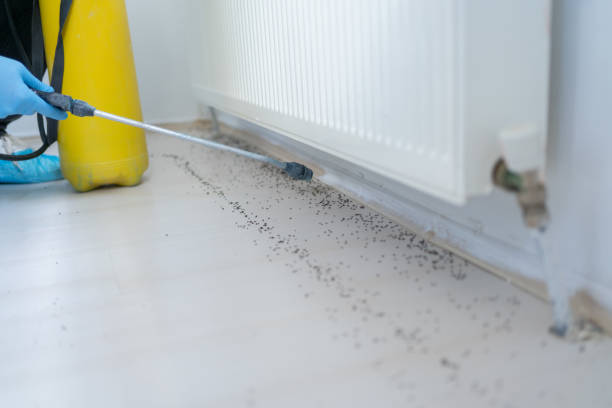
Modern pest management focuses on combining multiple strategies rather than relying on a single solution. Physical barriers, environmental adjustments, and targeted treatments work together to provide consistent rodent control without unnecessary chemical exposure.
Likewise, integrated insect control uses monitoring tools, habitat modification, and precise applications when needed. This balanced approach protects beneficial insects outdoors while limiting harmful species inside.
Environmental Adjustments
Simple landscaping choices can reduce pest pressure. Trimming vegetation away from foundations, fixing drainage problems, and removing debris piles eliminate hiding places. Indoors, controlling humidity with proper ventilation discourages both rodents and insects from settling in.
Safe Treatment Options
When infestations occur, today’s solutions are more precise than ever. Traps, exclusion devices, and low-impact products can support rodent control in a way that minimizes disruption to daily life. For crawling or flying pests, targeted insect control methods reduce exposure while maintaining effectiveness.
Protecting Health and Property
Rodents are known carriers of bacteria and parasites, while insects can trigger allergies or spread disease. Beyond health risks, pests chew wiring, damage insulation, and stain walls. Consistent rodent control protects structural integrity, while proactive insect control preserves indoor air quality and cleanliness.
Families with children or pets benefit especially from preventive care. Reducing pest access points and choosing responsible treatments creates a safer living environment for everyone.
Seasonal Awareness Matters
Different pests peak during different times of year. Cooler months often push rodents indoors, increasing the need for reliable rodent control. Warmer seasons bring surges in ants, flies, and mosquitoes, making insect control a priority.
Staying ahead of these cycles allows homeowners to act before infestations take hold, saving time and money in the long run.
Conclusion
A pest-free home doesn’t happen by accident. It requires awareness, consistency, and thoughtful action. By combining preventive habits with modern solutions, households can achieve dependable rodent control and maintain effective insect control throughout the year. When both strategies work together, the result is a cleaner, healthier, and more comfortable living space that supports long-term peace of mind.









Post Comment