The Entrepreneur’s Guide to Commercial Kitchen Epoxy Flooring for Food Startups
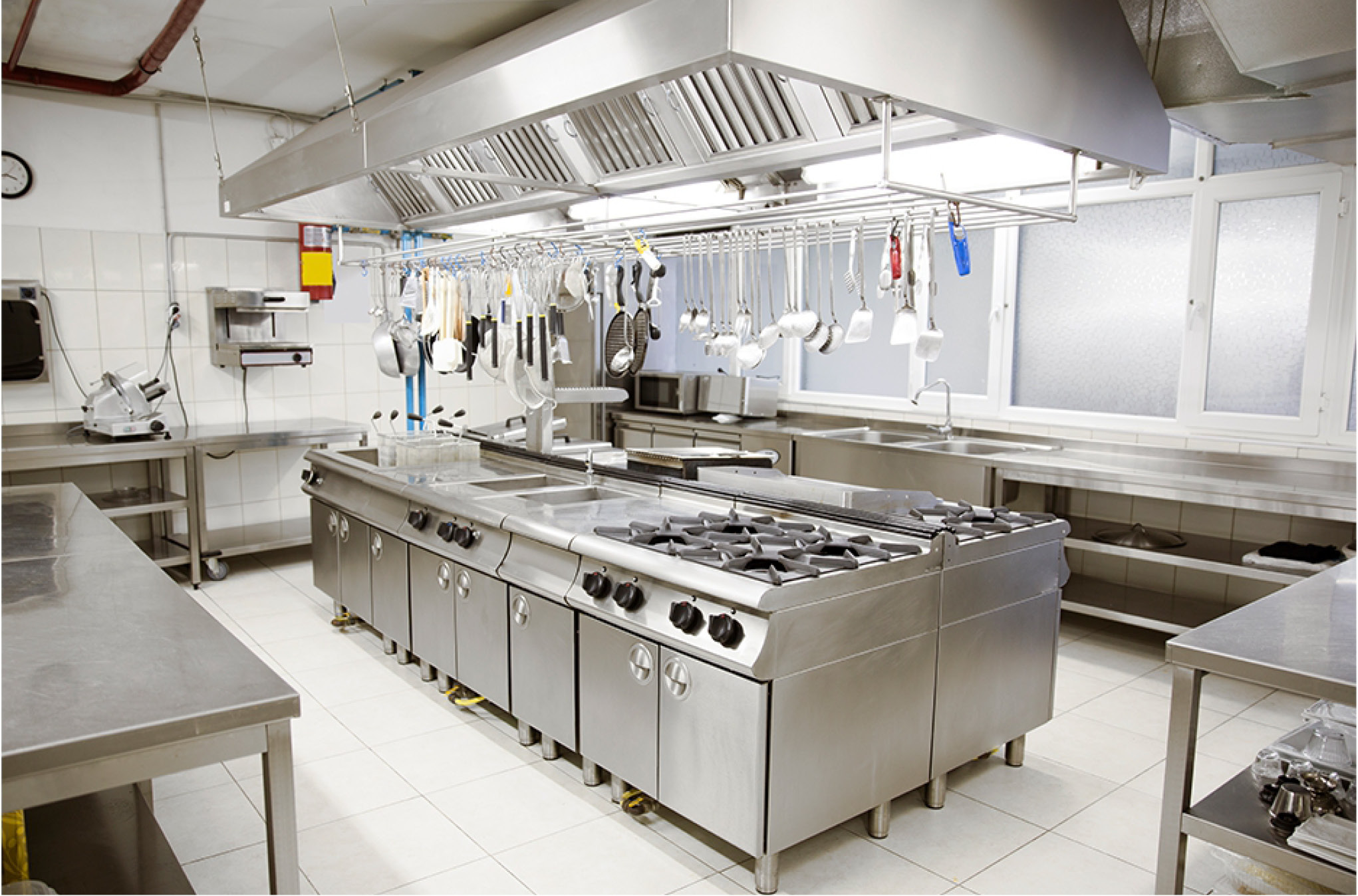
Launching a food startup is an exciting and demanding undertaking. Between licensing, equipment purchases, staffing, and marketing, every dollar and every decision carries weight. One area where first-time food entrepreneurs often underinvest is kitchen infrastructure. The flooring in your commercial kitchen might not feel like a priority, but it is one of the most consequential decisions you will make in the setup phase. Commercial kitchen epoxy flooring offers new food businesses a durable, compliant, and cost-efficient foundation that supports growth without demanding constant reinvestment.
Why Startups Can’t Afford to Cut Corners on Kitchen Flooring
Food startups operate on tight margins. That reality often pushes founders to delay or minimize spending on infrastructure. The problem is that poor-quality flooring creates compounding costs. A floor that deteriorates within the first two years forces an early replacement, which means shutting down the kitchen, losing production days, and spending more money than a quality installation would have cost in the first place.
Beyond the financial argument, there is the regulatory reality. Health departments do not offer grace periods for new businesses when it comes to food safety standards. Your kitchen must meet code requirements from day one. A floor that fails inspection delays your opening, which can disrupt investor confidence and early revenue projections significantly.
How to Choose the Right Epoxy System for Your Food Operation
The term epoxy flooring covers a wide range of products with very different performance characteristics. For a commercial kitchen, you need a system designed specifically for food service environments, not a basic garage-grade coating.
Start by evaluating the specific demands of your operation. Are you running a hot food production facility with frequent steam cleaning? You need a system with high thermal resistance and strong adhesion. Are you processing raw proteins? Anti-microbial additives in the epoxy formulation may be worth the additional cost. A knowledgeable contractor can help you match the right product to your actual workflow rather than selling you the most expensive option by default.
Real Cost Comparison: Epoxy vs. Traditional Tile for New Kitchens
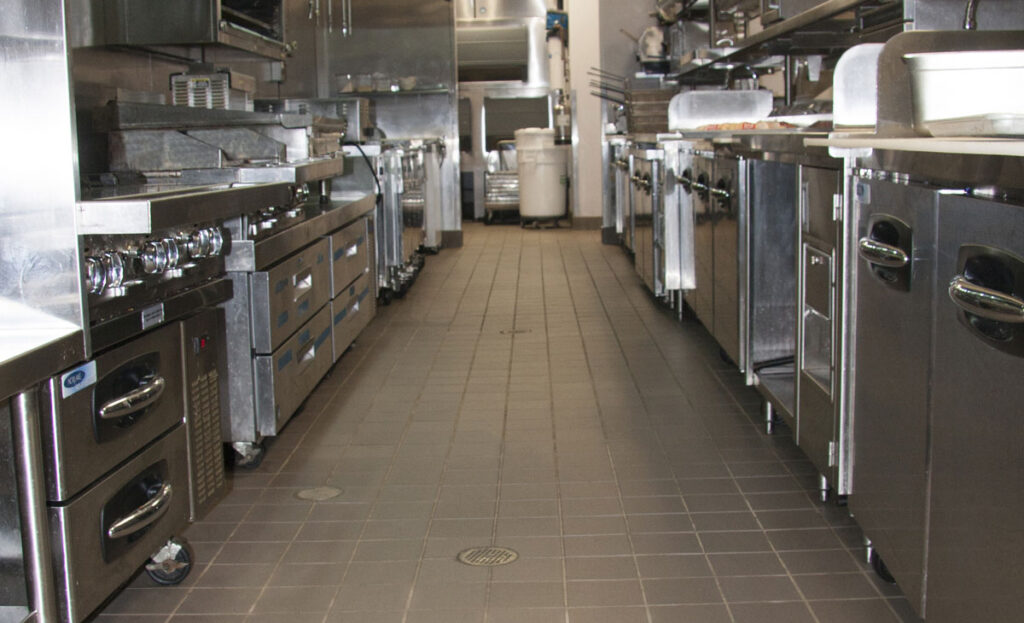
When comparing flooring options for a new food startup, the total cost of ownership matters more than the installation price alone. Ceramic tile may appear cheaper upfront, but it requires regular regrouting, is prone to cracking under heavy equipment, and is more difficult to clean to food-safe standards as it ages.
A properly installed commercial kitchen epoxy flooring system typically lasts ten to fifteen years with proper maintenance, compared to five to seven years for standard tile before significant deterioration requires intervention. Over a ten-year period, the math consistently favors epoxy when all costs are accounted for, including labor for cleaning, repair expenses, and compliance-related costs.
Building a Scalable Kitchen From the Ground Up
Smart startup founders build for scale, not just for today. Your kitchen infrastructure should support the volume you plan to reach, not just your launch-day capacity. Epoxy flooring adapts well to expansion. Sections can be added or refreshed as your footprint grows, and the seamless system holds up under increased traffic without showing premature wear.
Color-coded zones within an epoxy system also support workflow organization as teams expand. Designated prep areas, storage zones, and cleaning stations can be visually distinguished without any additional signage, which improves efficiency and reduces cross-contamination risk as you scale production.
Conclusion
For food startups building their foundation from scratch, commercial kitchen epoxy flooring is one of the smartest early investments you can make. It meets health codes, supports hygienic operations, and offers a total cost of ownership that outperforms traditional alternatives. Build your kitchen on a solid foundation, and the rest of your business will be easier to grow.










Post Comment