The Ultimate Guide to Poultry Wellness: Balancing Chicken Vitamins and Antibiotics
Keeping a backyard flock or a small-scale poultry farm is a rewarding journey, but it comes with the heavy responsibility of managing avian health. When a bird looks lethargic or stops laying, the immediate instinct is to fix it—fast. However, the secret to a thriving coop isn’t just about reacting to illness; it’s about mastering the delicate balance between chicken vitamins and chicken antibiotics. In this guide, we will explore how to use these tools effectively to ensure your feathered friends live their best, most productive lives.
The Proactive Approach: Why Chicken Vitamins are Your Best Defense
Prevention is always more sustainable than a cure. Just like humans, poultry requires a specific blend of micronutrients to maintain their immune systems, bone density, and feather quality. When you supplement your flock’s diet with high-quality chicken vitamins, you are essentially building a biological fortress. These supplements, often delivered through water-soluble powders or enriched feed, bridge the gap during stressful periods like molting, extreme weather shifts, or the peak of the laying season.
A well-vitamized bird has a robust gut microbiome, which is the first line of internal defense. By ensuring they have adequate Vitamin A for mucosal health and Vitamin D3 for calcium absorption, you reduce the likelihood of “easy” infections taking hold. Chicken vitamins act as the biological spark plugs that keep the engine of growth and egg production running smoothly without the need for aggressive chemical intervention.

When to Make the Call for Chicken Antibiotics
Despite our best efforts with nutrition, bacteria can occasionally breach the perimeter. This is where chicken antibiotics enter the conversation. It is vital to understand that antibiotics are not “growth boosters” or “preventative tonics”; they are precision tools designed to kill or inhibit the growth of specific harmful bacteria. Using them haphazardly can lead to antibiotic resistance, making future infections much harder to treat for both birds and humans.
If you notice respiratory distress, unusual swelling, or persistent yellow droppings, it may be time to consult a veterinarian about the appropriate chicken antibiotics. Using these medications correctly means following the dosage strictly and observing the “withdrawal period”—the time you must wait before consuming eggs or meat from the treated bird.
Maximizing Recovery and Long-term Vitality
Once a course of treatment is finished, the work isn’t over. Chicken antibiotics often wipe out “good” bacteria along with the bad, which can leave a bird’s digestive system in a state of flux. This is the critical window where you should re-introduce chicken vitamins and probiotics to help the bird bounce back. This holistic cycle—protect, treat, and recover—is what separates a struggling coop from a flourishing one.
Essential Components of a Poultry First-Aid Kit
Every responsible bird owner should keep a dedicated “medicine cabinet” for their flock to handle emergencies the moment they arise. To keep your birds in peak condition, ensure your kit includes:
- Water-soluble Electrolytes: Essential for rehydrating birds during heatwaves or after the stress of a predator attack.
- Broad-spectrum Chicken Antibiotics: To be kept on hand for confirmed bacterial infections like Coryza or Mycoplasma, used only when necessary.
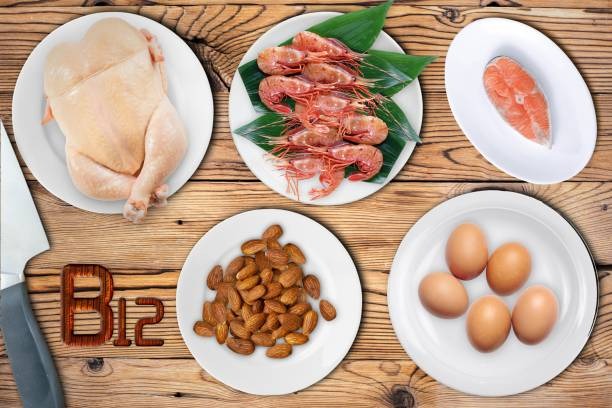
- Multi-vitamin Supplements: High-potency chicken vitamins containing B12 and E to support neurological health and vigor.
- Wound Care Sprays: Non-toxic antiseptic sprays to treat pecking injuries or bumblefoot before they require systemic medication.
Conclusion: A Holistic Vision for Your Flock
True poultry mastery lies in observation. By watching your birds daily, you can catch the subtle signs of deficiency early enough to fix them with chicken vitamins before they escalate into a full-blown crisis requiring chicken antibiotics. Remember, magic happens in the coop when you treat the environment and the diet as the primary medicine. By prioritizing high-quality nutrients and using medicinal interventions with professional specificity, you ensure a sustainable, healthy, and happy life for your chickens.











Post Comment